Success message
Error message

Shipping lithium batteries internationally can be challenging.Many shipments are delayed, rejected, or returned because the cargo is incorrectly classified or poorly prepared.
This guide explains how lithium battery air shipments actually work, using clear language — not complex regulations.
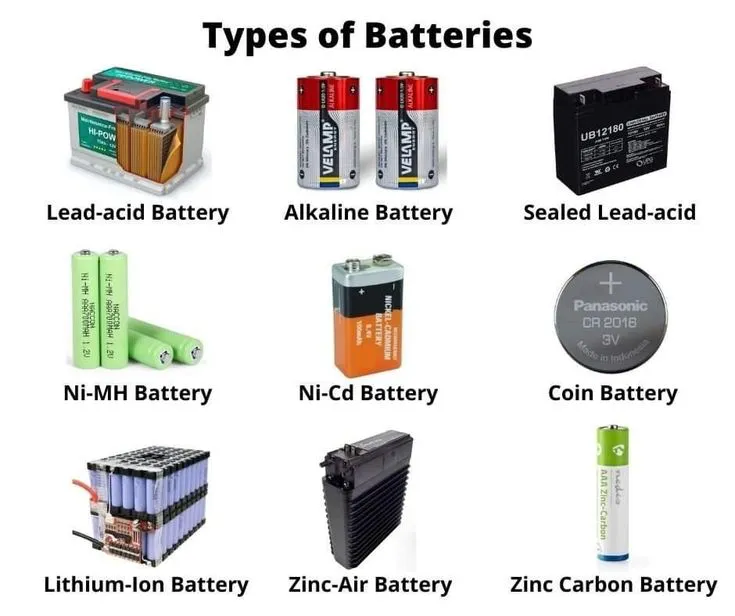
Lithium batteries are commonly used in:
Power banks
Electronics and electronic accessories
Electric tools
E-bikes and mobility devices
Toys and consumer products
In air freight, lithium batteries are classified as dangerous goods due to fire risks.
However, not all battery shipments are handled the same way.
Understanding this difference is critical.
Batteries shipped alone, not installed in equipment
Highest risk category
Most restricted by airlines
Requires strict packaging and documentation
Batteries installed in devices or packed with them
Lower risk compared to UN3480
More airline options available
Easier to ship when properly packed
Tip: Many shipment failures happen because UN3480 cargo is incorrectly declared as UN3481.
Lithium battery air shipments follow IATA Dangerous Goods Regulations (DGR).
Important points include:
Packaging Instructions: PI965 / PI966 / PI967
State of Charge (SOC) limits (usually max 30%)
Mandatory battery labels and handling marks
Airline-specific restrictions
Each airline may apply additional internal rules, which is why experience matters.
Before shipping, prepare:
MSDS (Material Safety Data Sheet)
Battery test reports (UN38.3)
Shipper’s Declaration for Dangerous Goods (if required)
Commercial invoice & packing list
Missing or incorrect documents are a top reason for shipment rejection.
Proper packaging is not optional.
Airlines focus on:
Individual battery insulation
Protection against short circuits
Strong outer cartons
Correct labels and markings
No damaged or defective batteries
Poor packaging is often detected during X-ray screening, leading to cargo refusal.
Here are the most frequent problems:
Declaring battery cargo as “general goods”
Using incorrect UN numbers
Missing MSDS or outdated documents
Overlooking airline-specific rules
Poor internal packaging
Avoiding these mistakes saves time, money, and reputation.
Yes — but not in the same way to every country.
Destination rules vary depending on:
Local aviation authority regulations
Customs requirements
Import permits
Airline network availability
This is why global shipments need route-specific planning.
You should seek professional guidance if:
Your supplier is unsure about battery classification
Airlines refuse your cargo
You are shipping batteries for the first time
Your shipment includes mixed cargo
You want to reduce risks and delays
Lithium batteries can be shipped internationally by air — but only when regulations, documentation, and packaging are handled correctly.
Understanding the rules early helps you avoid costly shipping failures.
If you’re unsure whether your product can be shipped by air,you can request guidance before booking.
👉 Ask a Shipping Question